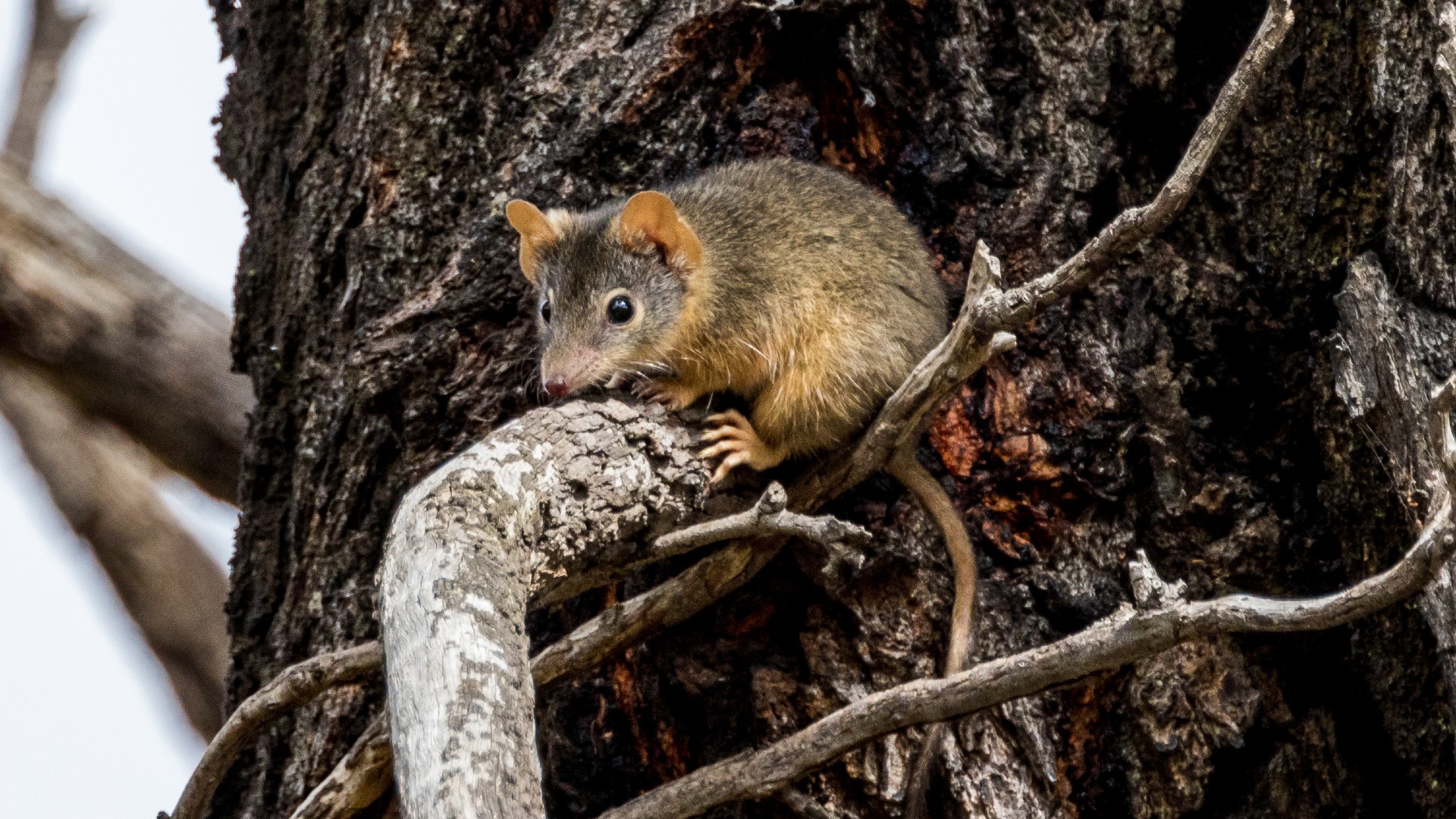
Antechinus, a mouse-like marsupial found in Australia, is rare among mammals. At the end of each mating season, the males die suddenly. This fate means they reproduce only once in their lifetime, while females may survive several more mating seasons. Naturally, males make the most of their mortal Mardi Gras.
In the article in Current biologyThe researchers found that male antchins sacrifice sleep to mate with each other. They stayed up an average of three hours a day compared to their pre-reproductive habits. One freak cut his sleep schedule in half to keep the party going.
It is not the weeks of lack of sleep that kill. In the study, two out of ten males that died simultaneously did not lose the most sleep, and in captivity, some males survived longer but became sterile. What causes them to die remains a mystery – although researchers suggest it could be an environmental trigger.
But while male antichinuses trade sleep in a reproductive gamble, it doesn’t seem to affect their performance. In fact, antechins aren’t the only animals that manage some extreme feats despite their lack of sleep.
Sleep deprivation across the animal kingdom
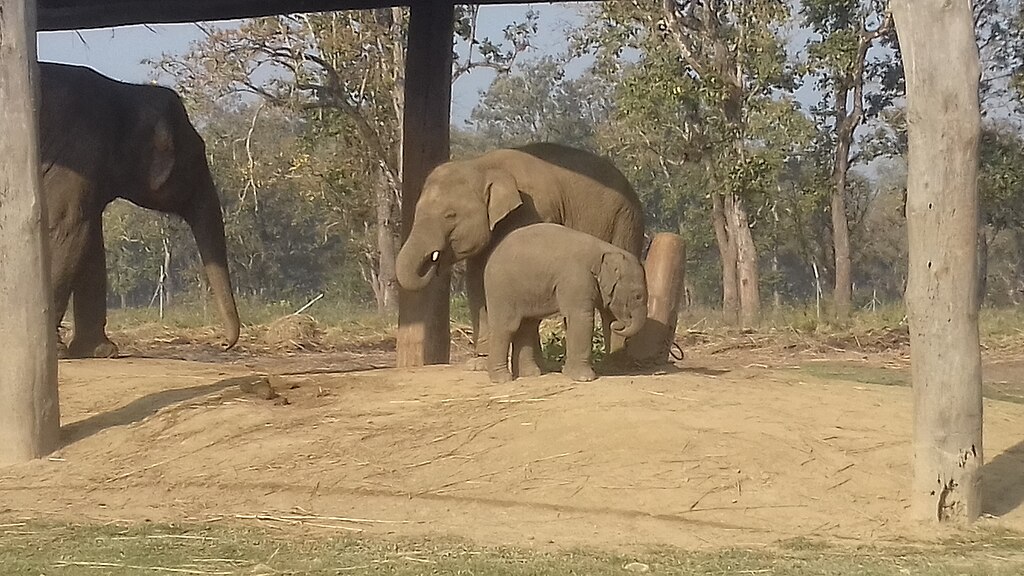
It has been observed that African elephants sleep less than 2 hours a day and some of them even sleepless for up to 46 hours. This is because the elephants often need to graze, while the mahouts watch out for predators. Captive elephants, on the other hand, have been known to enjoy six Z hours of rest a day from the safety of their enclosure.
Elephants’ sleep deprivation can be intense, but they’ve got nothing on dolphins. Mother dolphins and their newborn calves do not sleep for a month after birth. Again, this serves as a defense mechanism against predators, but the constant movement has a beneficial side effect as well. This helps calves maintain their body temperature until they can build the layer of fatty fat that insulates their adult bodies.
But it’s the bird species that probably sleep the most. For example, frigatebirds soar over the oceans for weeks at a time. While in the air, they sleep less than an hour a night to maintain the alertness needed to ride the high currents and spot prey on the ocean surface. When they return to land, they repay their sleep debt by taking naps of up to 12 hours at a time.
What is the secret of their sleepy success?
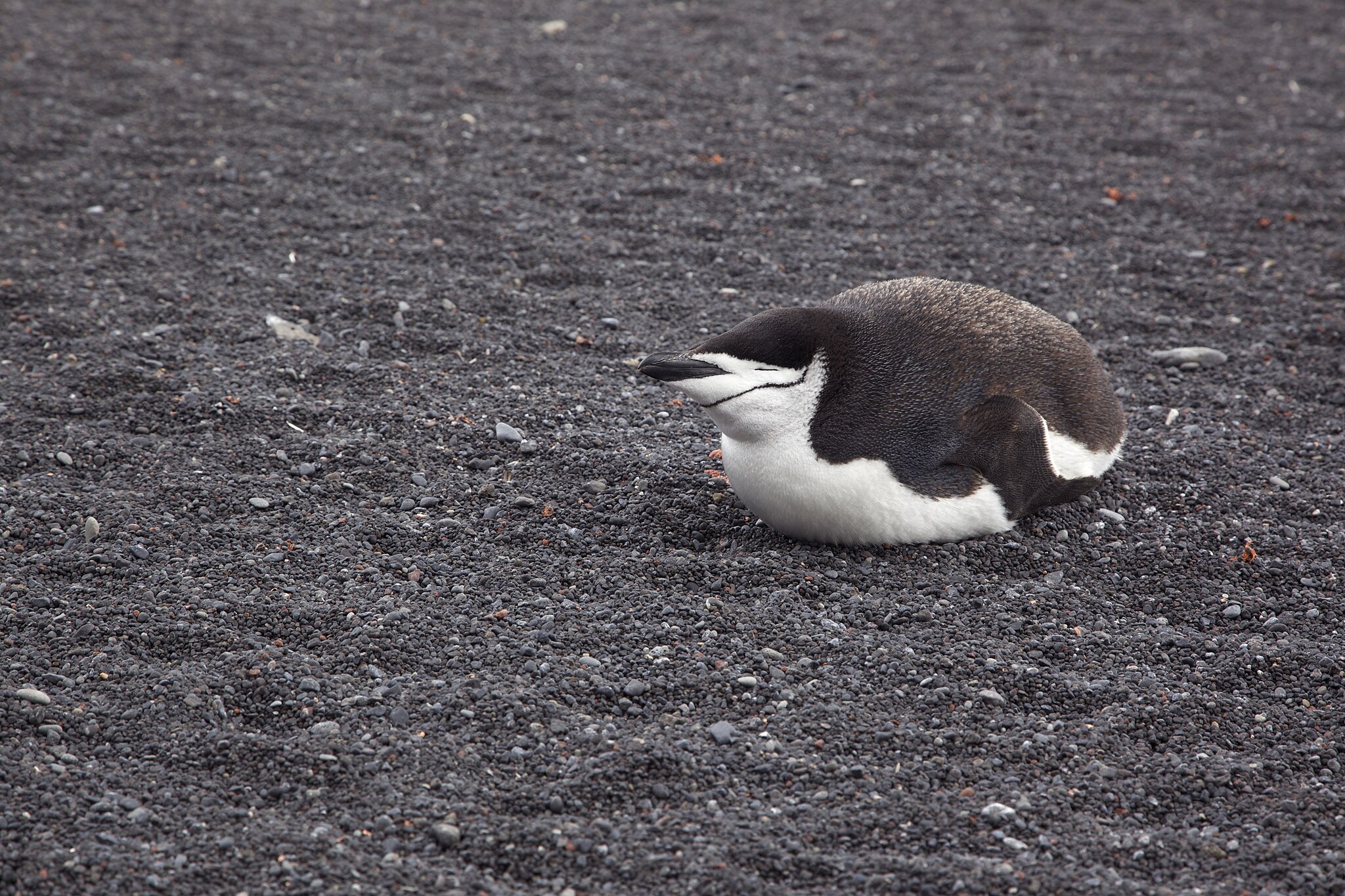
There are many explanations on how to manage animals without sleep. They may pay a physiological price that biologists have yet to identify, or they may sleep more than scientists think. For example, chinstrap penguins sleep 11 hours, but it’s hard to tell because they spread their rest out into little four-second naps. That’s 10,000 sneaky sistas a day!
Recently, adaptive flexibility has emerged as an explanation for how animals perform on suboptimal amounts of sleep. An animal can change its traits in response to environmental changes. Hibernation is one example of this adaptive flexibility.
Hormones can also enable high activity with little or no sleep. Among antichines, males have high blood steroid levels during the breeding season. This has been suggested as a possible cause of their demise, but it could be adaptive flexibility at work. High blood steroid levels can unleash the masculine energy that Antechinus males need to carry out their sex frenzy.
Do people really need all 40 winks?
From less than an hour a night for frigatebirds to 20 hours a day for koalas, animals show a wide range of sleep variability. The difference in quantity is due to the difference in their ecological niches. Now, there is growing evidence that individuals of a species can survive a wide range of sleep.
In general, health professionals recommend that adults sleep at least seven hours a night and limit interruptions. But can time and time both be flexible? Elephant sleep varies from two hours of interrupted sleep in the wild to six hours lying down in the zoo. And even though sleep is considered vital for creating memories, elephants have the most amazing memories.
Many night owls—the people, not the birds—report that their concentration increases in the middle of the night and, if they get enough sleep, they don’t feel drowsy during their waking hours. If humans can thrive on varying amounts of sleep, could the adverse effects of not sleeping a fixed number of hours or staying awake at night be caused by other factors? For example, numerous studies have linked poor sleep and middle-of-the-night awakenings to mental and metabolic diseases (although few have established any causal link).
Examples from the wild call for reconsideration of the relationship between sleep and human health and longevity. In animal studies, researchers hope to find clues about the physiological adaptations animals make to compensate for sleep deprivation.
#sleep #deprivation #helps #animals #outperform #competitors